About
Every part of a job has an inventor.
Nariway is an independent research institution studying how human beings have organized work. The research becomes exhibitions, built with museums, libraries, and university galleries, so that students and families can see the working world as something people made and can make again.
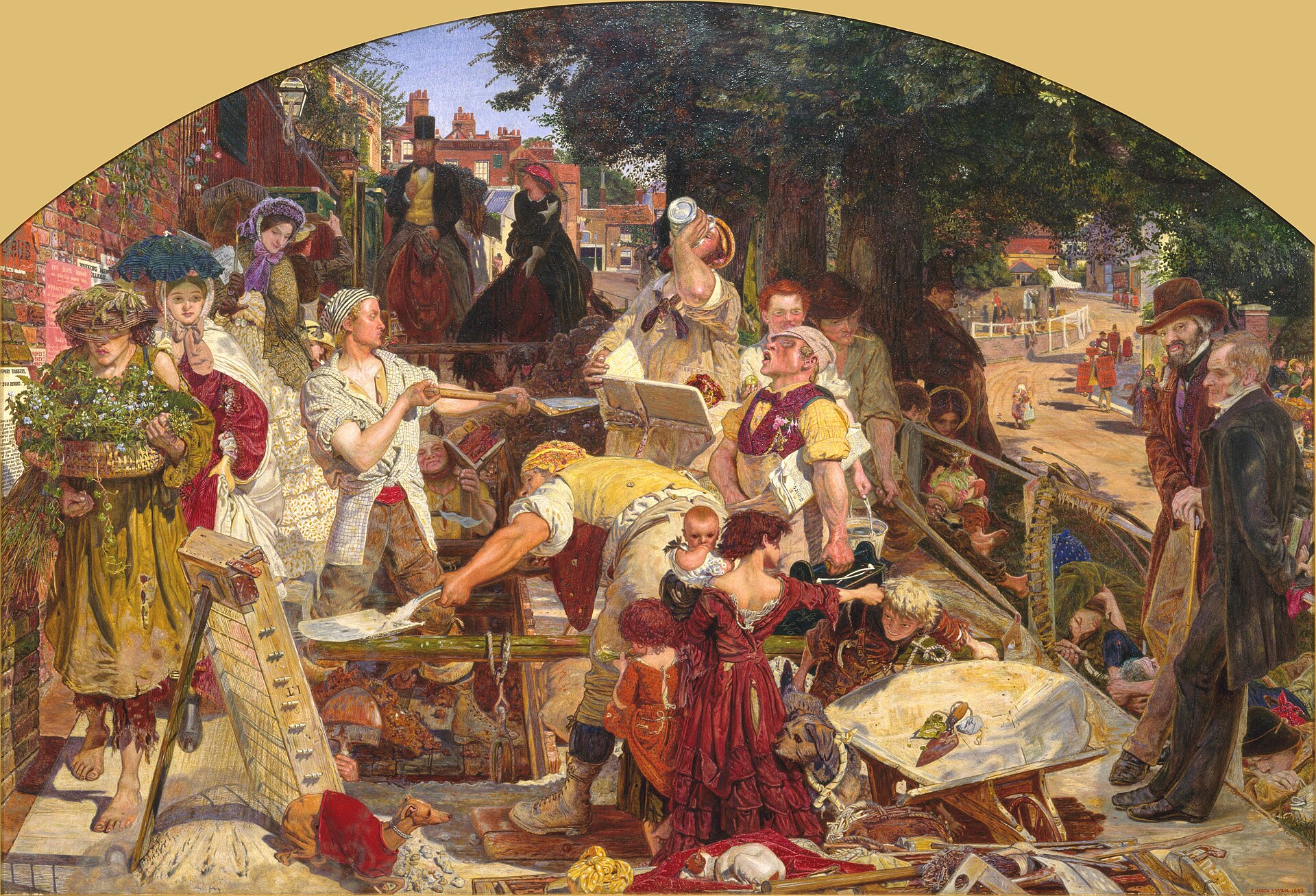
The name
生業
nariwai
The name comes from the Japanese word nariwai, written with the characters for life and work joined into a single idea. English never developed an equivalent, and the words it produced instead describe people divided into roles and titles.
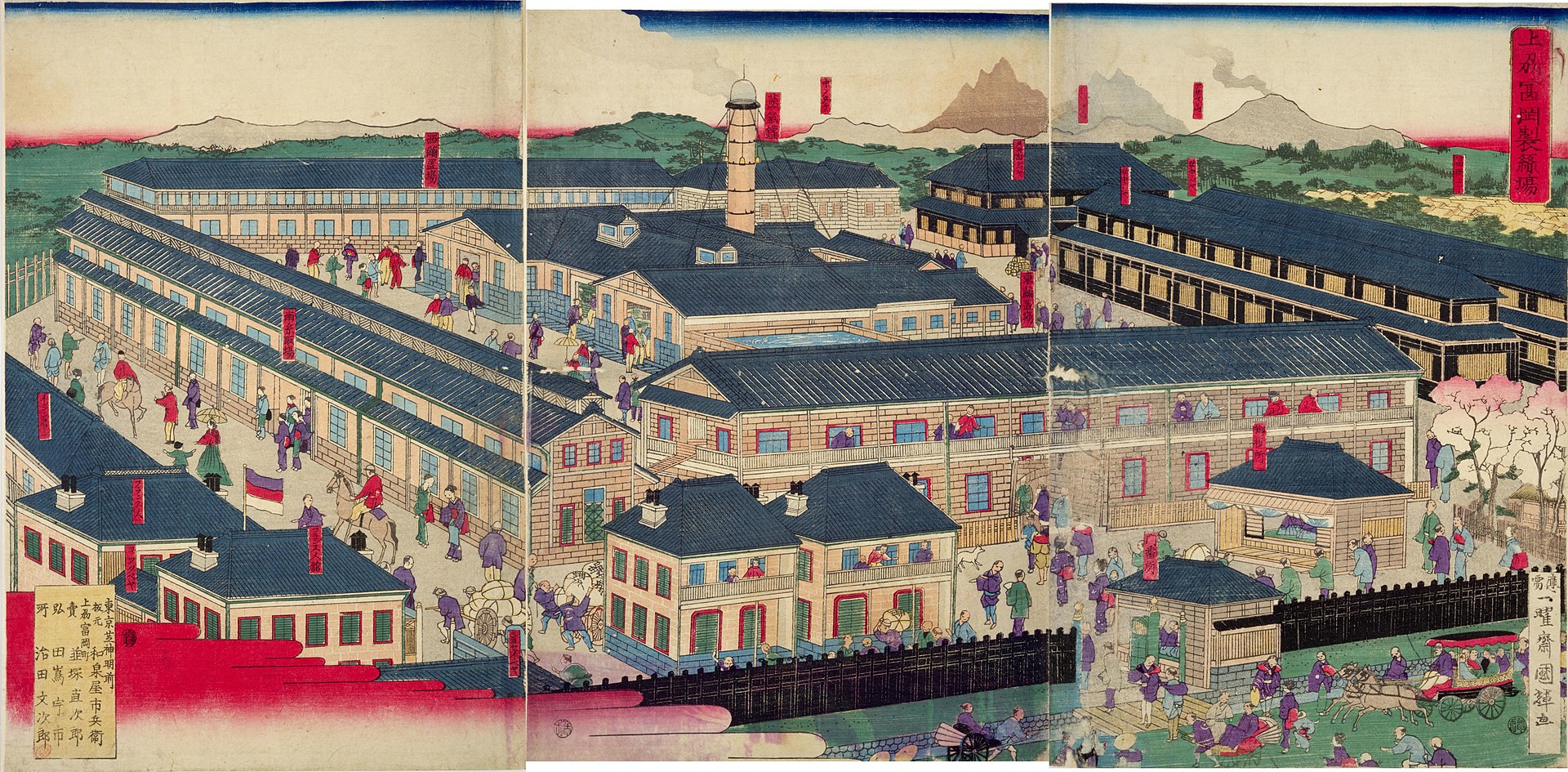
The archive
The archive holds nearly 600 entries on the words, practices, and systems of working life. Together they show how recently most of the present arrangement was assembled, and by whom.
Etymologies
What did the word mean before it meant this?
Inventions
When did this become normal?
Case Studies
What has already worked elsewhere?
Thinkers
Who saw it first?
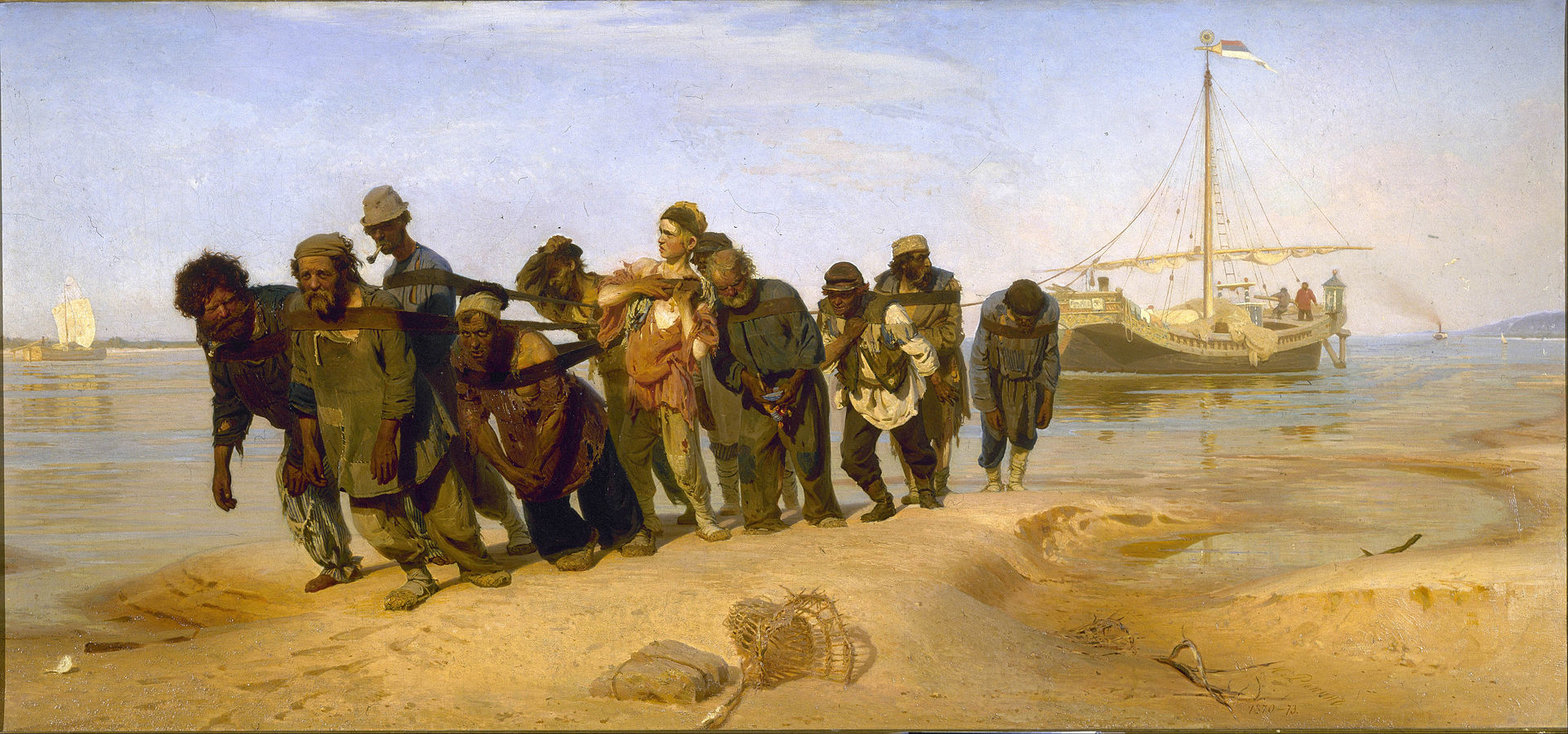
The exhibitions
The archive is the permanent collection. Every exhibition is assembled from it.
An exhibition follows one ordinary feature of working life back to its origin. It gathers the objects and documents that produced it, from the earliest surviving version to whatever is replacing it now. Exhibitions run from a single wall to a full floor, and each is built with the institution that presents it.
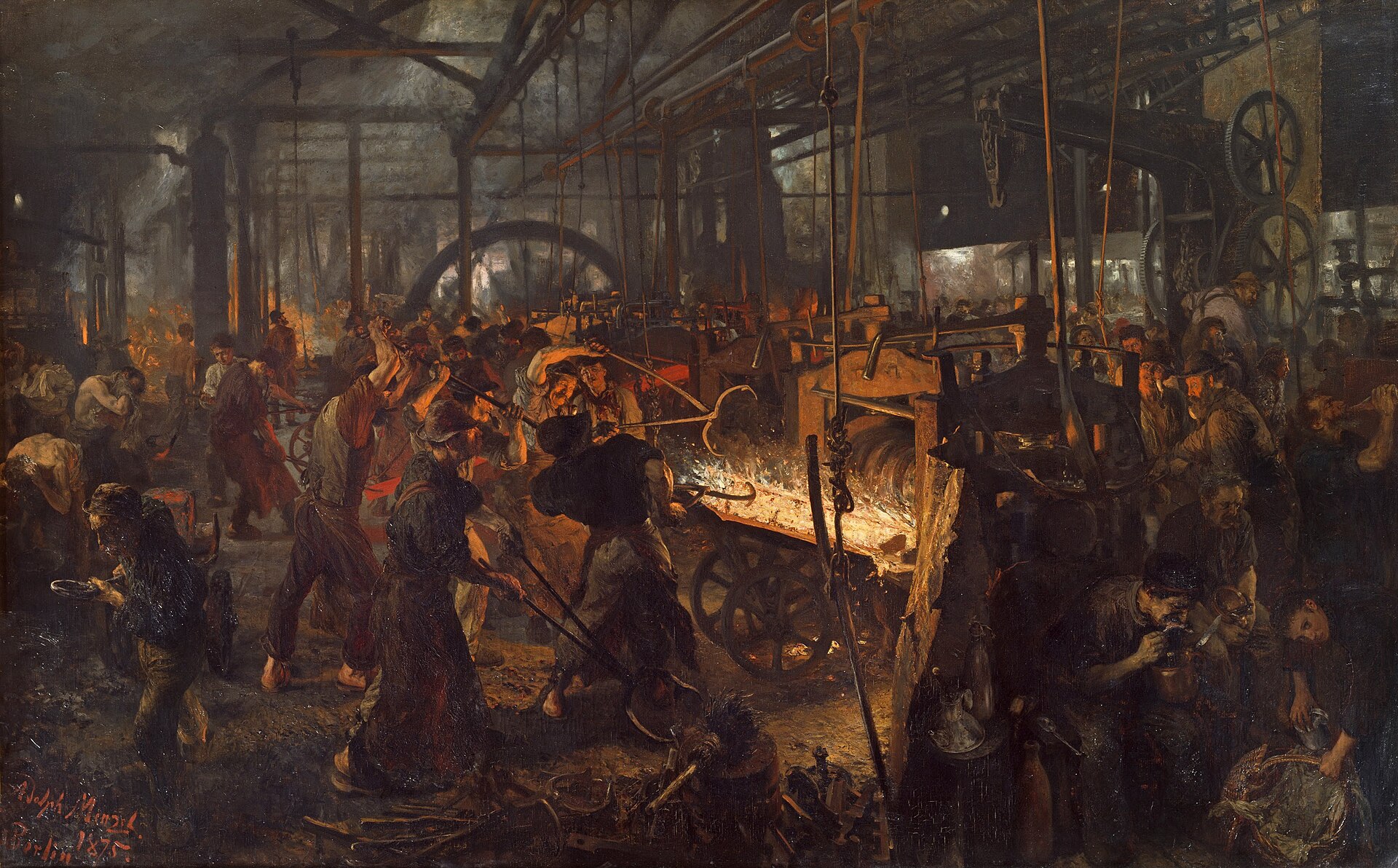
The researcher
Dr. Alina Okun
Alina Okun has spent six years researching the origins of modern working life and built the archive behind every Nariway exhibition. She spent the two decades before that in corporate finance, beginning at Arthur Andersen and continuing through UBS, technology startups, and angel investing.
She holds a doctorate in strategy and innovation and has published peer-reviewed research in the International Journal of Economics and Financial Issues. She has conducted executive interviews on the future of work and co-authored two bestselling books.
A world in which work makes people more fully human.