Library
The sources behind the work
The library holds the books and documents the research is built on. Many of them appear as facsimiles inside the exhibitions, and they are gathered here so the sources can be read on their own.
The Industrial Age
5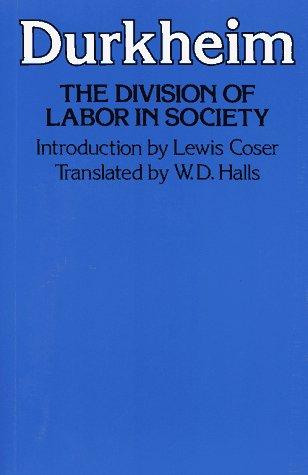
The Division of Labor in Society
Émile Durkheim, 1893
The argument that the division of labor is what holds a modern society together, not only its factories.

Choosing a Vocation
Frank Parsons, 1909
The book that invented career counseling, published after its author died.

The Principles of Scientific Management
Frederick W. Taylor, 1911
The founding document of measured, managed work.

Scientific Office Management
William Henry Leffingwell, 1917
Taylor's stopwatch brought indoors, to the desks, files, and typing pools of the early office.

The Functions of the Executive
Chester Barnard, 1938
The texts that turned bossing into a profession.
The Office Age
7
Man's Search for Meaning
Viktor Frankl, 1946
Meaning as the thing that lets a person endure almost any how, written out of the camps.
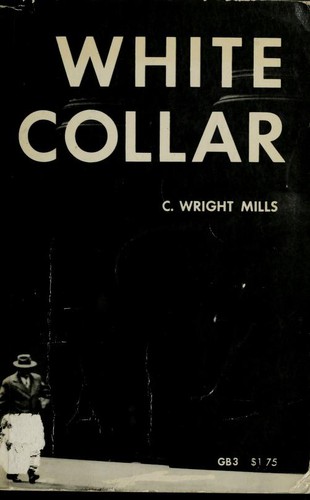
White Collar
C. Wright Mills, 1951
The birth of the office class.
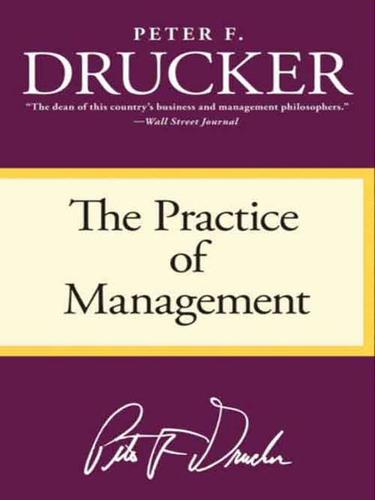
The Practice of Management
Peter Drucker, 1954
The texts that turned bossing into a profession.

The Human Condition
Hannah Arendt, 1958
The distinction between labor, work, and action, and what a life of pure labor leaves out.

The Human Side of Enterprise
Douglas McGregor, 1960
Theory X and Theory Y: the claim that how you manage depends on what you assume about people.

The Office: A Facility Based on Change
Robert Propst, 1968
The manifesto for the Action Office, the design meant to free the worker that became the cubicle.
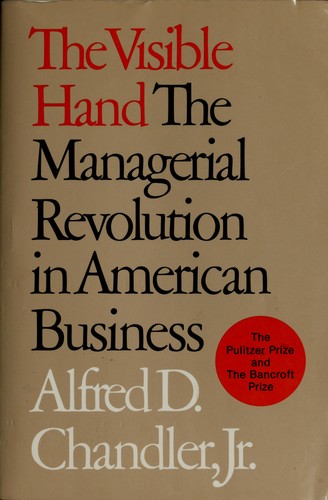
The Visible Hand
Alfred D. Chandler, 1977
How management became the invisible hand's replacement.
The present
12
The One Best Way
Robert Kanigel, 1997
The definitive life of Taylor and his stopwatch.

When Computers Were Human
David Alan Grier, 2005
The women who were computers before the machines took the name.
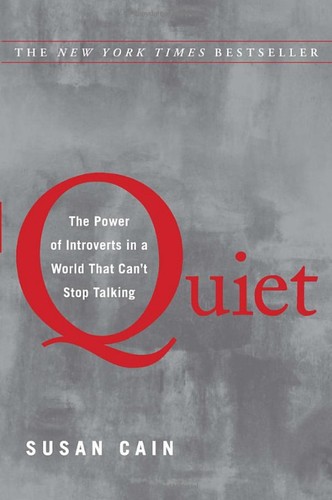
Quiet: The Power of Introverts
Susan Cain, 2012
How the open, team-first workplace was built for extroverts, and what that costs the rest.

How Will You Measure Your Life?
Clayton Christensen, 2012
A management theorist turns his own tools on the question of a life well spent.

Cubed: A Secret History of the Workplace
Nikil Saval, 2014
The single best history of how the office became the office.

The Burnout Society
Byung-Chul Han, 2015
Why the pressure to achieve turned the worker into their own exhausted overseer.
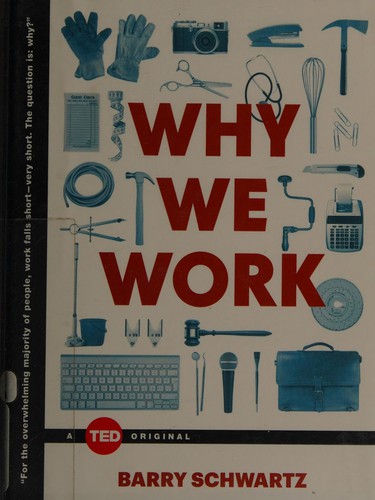
Why We Work
Barry Schwartz, 2015
A short case that the story of work as nothing but a paycheck is one we were sold.

The Signals Are Talking
Amy Webb, 2016
A futurist's method for reading the weak signals that become the next normal.
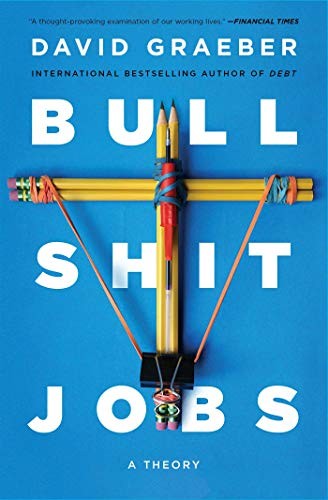
Bullshit Jobs: A Theory
David Graeber, 2018
The modern suspicion that much of the work is invented.

Reinventing Jobs
Ravin Jesuthasan and John Boudreau, 2018
How the job is being unbundled into tasks and reassembled around automation.

Range: Why Generalists Triumph in a Specialized World
David Epstein, 2019
The case that generalists, not early specialists, do best in a complex world.

Work: A Deep History, from the Stone Age to the Age of Robots
James Suzman, 2020
A history of work long enough to make the modern job look like an accident.
Cover images via Open Library.