Invention · United States · 1850
Elevator Operator
A job was invented to reassure passengers who were afraid of the machine.
This entry is undergoing enhanced source verification.
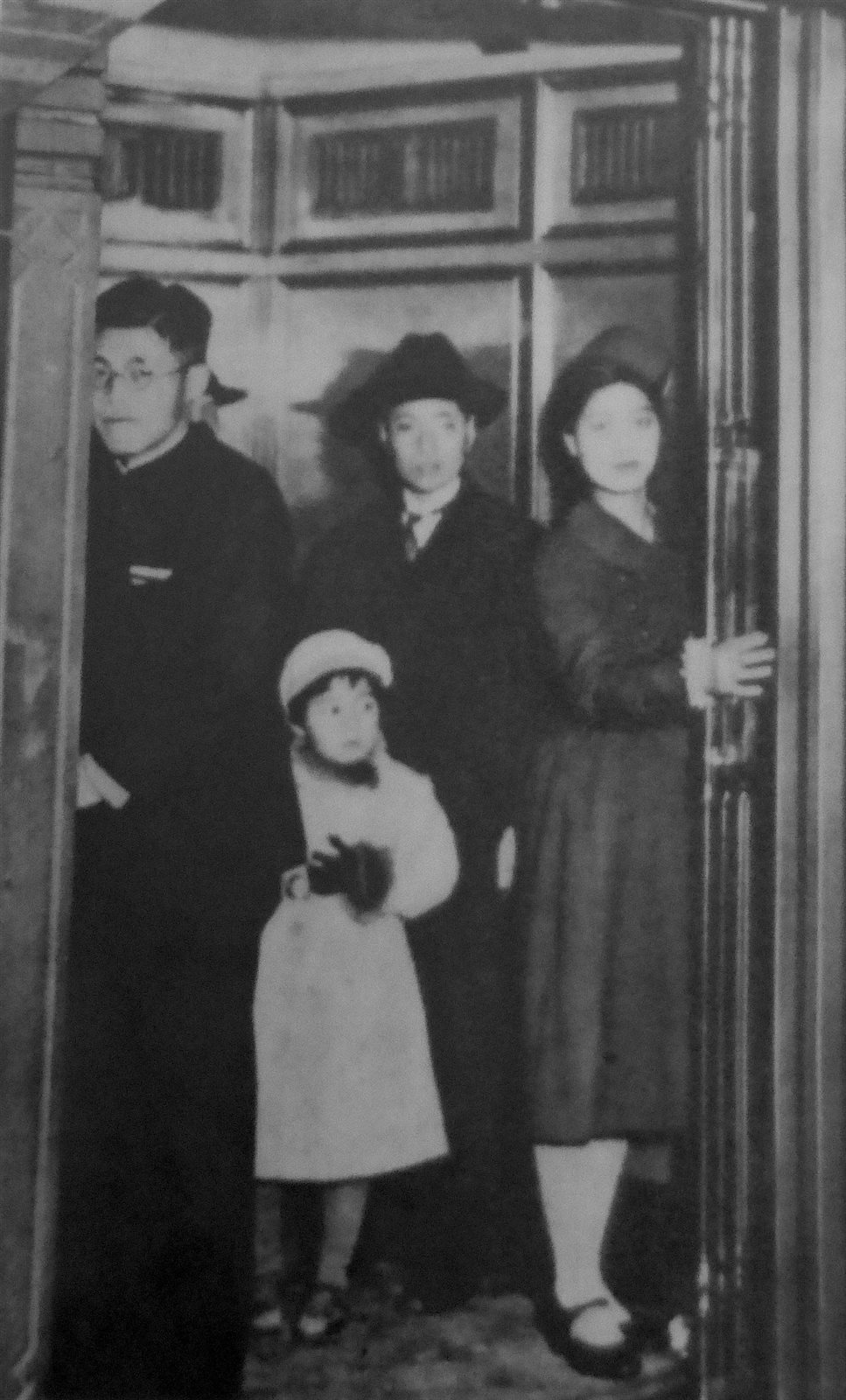
When Elisha Otis demonstrated his safety elevator at the Crystal Palace in New York in 1854, the technology needed a human intermediary.1 Early passenger elevators were operated manually, requiring someone to control the speed, stop at the correct floor, and open the doors. The elevator operator was born alongside the machine itself.
The role was part technical skill, part hospitality. Operators wore uniforms, greeted passengers by name in residential buildings, and managed the social dynamics of a small enclosed space moving vertically through a structure.
By the early twentieth century, elevator operators were among the most visible workers in American cities. The 1945 elevator operators' strike in New York City shut down 4,700 apartment buildings and stranded thousands of workers unable to reach their offices above the first few floors.2
4,700, Apartment buildings shut down during the 1945 New York City elevator operators' strike.
Automatic elevators, which required no operator, had existed since the 1900s, but building owners were slow to adopt them because tenants did not trust the technology. It took decades of incremental adoption, including the introduction of "attendantless" operation in self-service buildings, before the operator became unnecessary.3
By the 1980s, the elevator operator had largely disappeared from American buildings. The job is one of the clearest examples of a role that was created by a technology, sustained by human anxiety about that technology, and eliminated when the anxiety faded.4
Timeline
- 1854, Elisha Otis demonstrates his safety elevator at the Crystal Palace in New York.
- 1945, An elevator operators' strike in New York City shuts down 4,700 apartment buildings.
- 1980s, The elevator operator has largely disappeared from American buildings.
Endnotes
- Andreas Bernard, Lifted: A Cultural History of the Elevator (New York: NYU Press, 2014).
- "Elevator Strike Disrupts New York," The New York Times, September 1945.
- Lee E. Gray, From Ascending Rooms to Express Elevators: A History of the Passenger Elevator in the 19th Century (Mobile: Elevator World, 2002).
- Bernard, Lifted: A Cultural History of the Elevator.